
Living in San Antonio
San Antonio, Texas
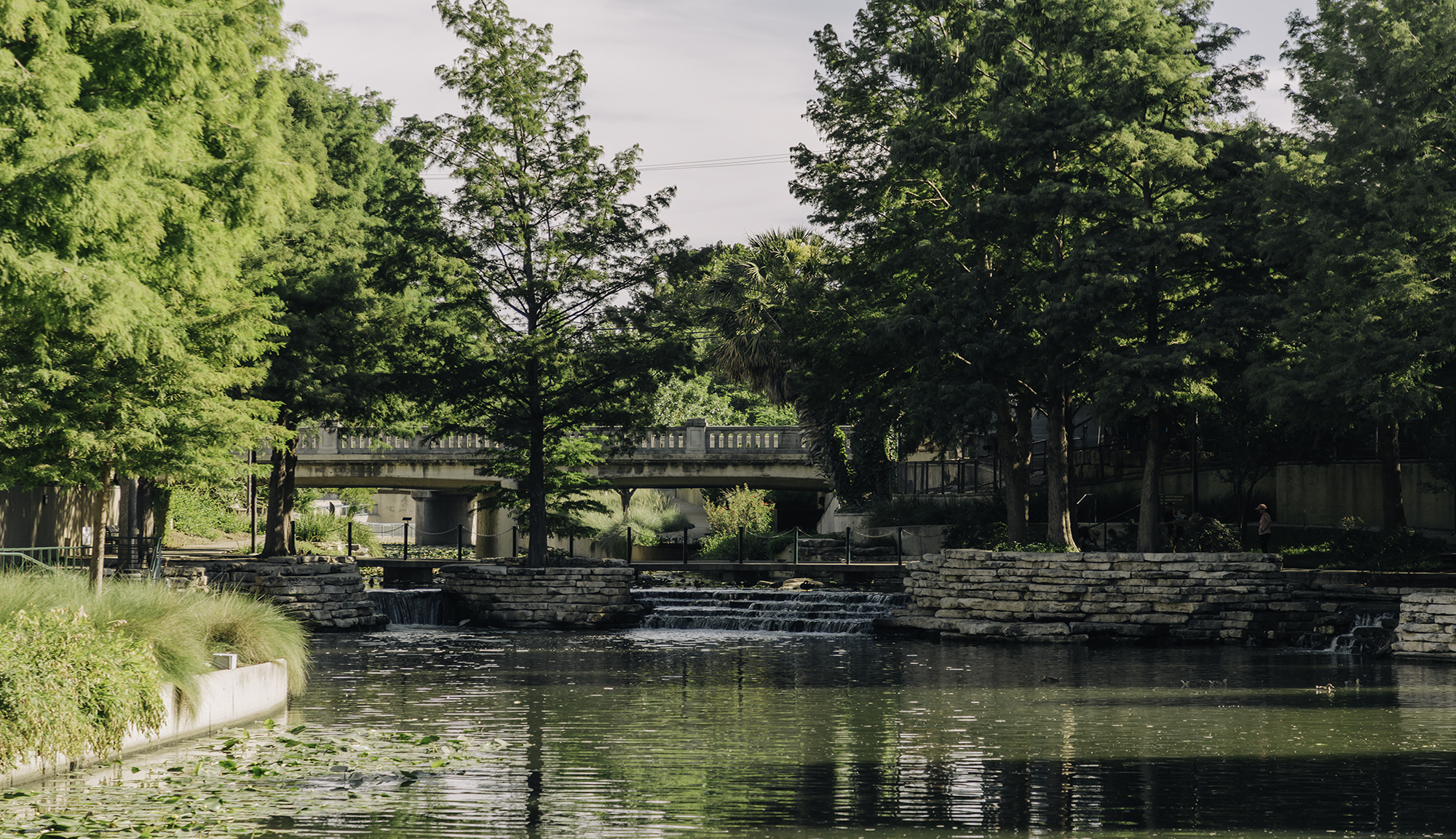
San Antonio is a large city that can feel surprisingly different from one area to another. You can choose an established neighborhood with mature trees and older architecture, a newer community farther from the city center, an urban setting near restaurants and entertainment, or a quieter neighborhood that puts you closer to the Texas Hill Country.
I was born and raised in San Antonio and still work with buyers and sellers throughout the city. One thing I think people underestimate when relocating here is just how spread out San Antonio is. Two homes can both have a San Antonio address and offer very different commutes, schools, surroundings, housing styles, and everyday lifestyles.
That's why I don't think the best place to start is by asking which neighborhood is "best." I prefer to first understand where you need to go regularly and what you want life outside your home to look like. Then we can narrow the city down to the areas that make the most sense for you.
Before You Buy
What Buyers Should Know About San Antonio Real Estate
Price is only one part of comparing San Antonio homes. Location, property taxes, schools, commute, construction age, and neighborhood restrictions can all make a meaningful difference in which property ultimately works best for you.
Property Taxes
Don't compare homes by purchase price alone. Property tax rates and taxing entities can vary by location, and that can make a noticeable difference in your monthly payment. I like to compare the actual tax information when we're evaluating properties.
Schools & Education Options
San Antonio is served by multiple school districts, and families also have charter and private-school options. District and campus boundaries don't always follow the neighborhood names people use, so school assignments should be verified for the individual property.
Commute & Traffic
San Antonio covers a lot of ground. A home may look reasonably close to work on a map while the everyday drive tells a different story. Before choosing an area, I encourage buyers to consider where they'll actually need to be during normal commuting hours.
Older vs. Newer Homes
Established parts of San Antonio can offer mature trees, larger lots, and architectural character, while newer communities often provide newer systems, modern floor plans, and neighborhood amenities. Understanding which tradeoffs matter to you can quickly narrow the search.
Foundations, Soil & Drainage
Soil conditions, drainage, grading, and foundation history are worth paying attention to when evaluating a San Antonio home. These aren't reasons to automatically rule out a property, but they are things I want buyers to understand and investigate during the inspection and due-diligence period.
HOAs & Restrictions
HOA involvement varies considerably around San Antonio. Many newer communities have associations and amenities, while some established neighborhoods have different or fewer restrictions. I recommend reviewing the rules and fees for the specific property rather than assuming what applies based on the area.
One thing I tell buyers: In a city this large, the home and the location need to work together. A house you love can become much less appealing if the daily commute, school options, taxes, or access to the places you use most don't fit your life.
Areas & Neighborhoods
Finding Your Part of San Antonio
San Antonio has far too many neighborhoods to reduce the city to a simple list. I find it more useful to start with broader parts of town, then narrow the search based on commute, home style, schools, lot size, amenities, and the places you want to be near.
These aren't rankings—they're simply a starting point for understanding some of the areas buyers commonly consider.
North & North Central
This part of San Antonio offers everything from established neighborhoods to newer development, with convenient access to major roads, shopping, restaurants, and the city's northern employment corridors.
- Stone Oak
- Shavano Park
- Hollywood Park
- Castle Hills
Central & Established
Buyers drawn to established neighborhoods, mature trees, architectural character, and more central access often explore areas in and around these communities.
- Alamo Heights
- Terrell Hills
- Olmos Park
Northwest & Far Northwest
Northwest San Antonio has seen substantial residential growth and offers many newer communities, shopping and entertainment options, and access toward Loop 1604, Highway 151, and the Lackland area.
- Alamo Ranch
- Westover Hills
- Helotes area
Northeast & Randolph Area
Northeast San Antonio is especially worth considering for buyers who need access to Randolph, Fort Sam Houston, I-35, or the growing communities northeast of the city.
- Northeast San Antonio
- Schertz
- Cibolo
Schertz and Cibolo are separate cities, but they're commonly compared with northeast San Antonio because of their location and access.
Urban San Antonio
For buyers who value restaurants, entertainment, cultural attractions, and a more urban setting, the central city offers a very different lifestyle from San Antonio's suburban areas.
- Downtown
- Pearl / Broadway corridor
- Southtown
Not Sure Where to Start?
That's completely normal. If you're relocating, I usually start by learning where you'll work, what you enjoy doing, the type and age of home you prefer, whether schools are a consideration, and how much driving you're comfortable with. That gives us a much more useful starting point than trying to choose from a map of hundreds of neighborhoods.
My local perspective: Having grown up in San Antonio, I've watched different parts of the city grow and change considerably. Rather than telling someone there's one "best" area, I'd rather help you understand the differences and find the part of San Antonio that fits your priorities.
The San Antonio Lifestyle
Big-City Conveniences With a Texas Personality
One of the things I appreciate most about San Antonio is that you don't have to choose between everyday conveniences and having interesting things to do. The city has an incredible food scene, arts and entertainment, outdoor spaces, shopping, and deep military roots, while still maintaining the friendly, relaxed personality San Antonio is known for.
Restaurants & Dining
There's no shortage of places to eat in San Antonio. Tex-Mex and barbecue may get much of the attention, but the city has everything from long-time local institutions and neighborhood favorites to chef-driven restaurants and upscale dining. Food is a big part of the culture here, and every part of town seems to have its own favorites.
The Pearl & Central City
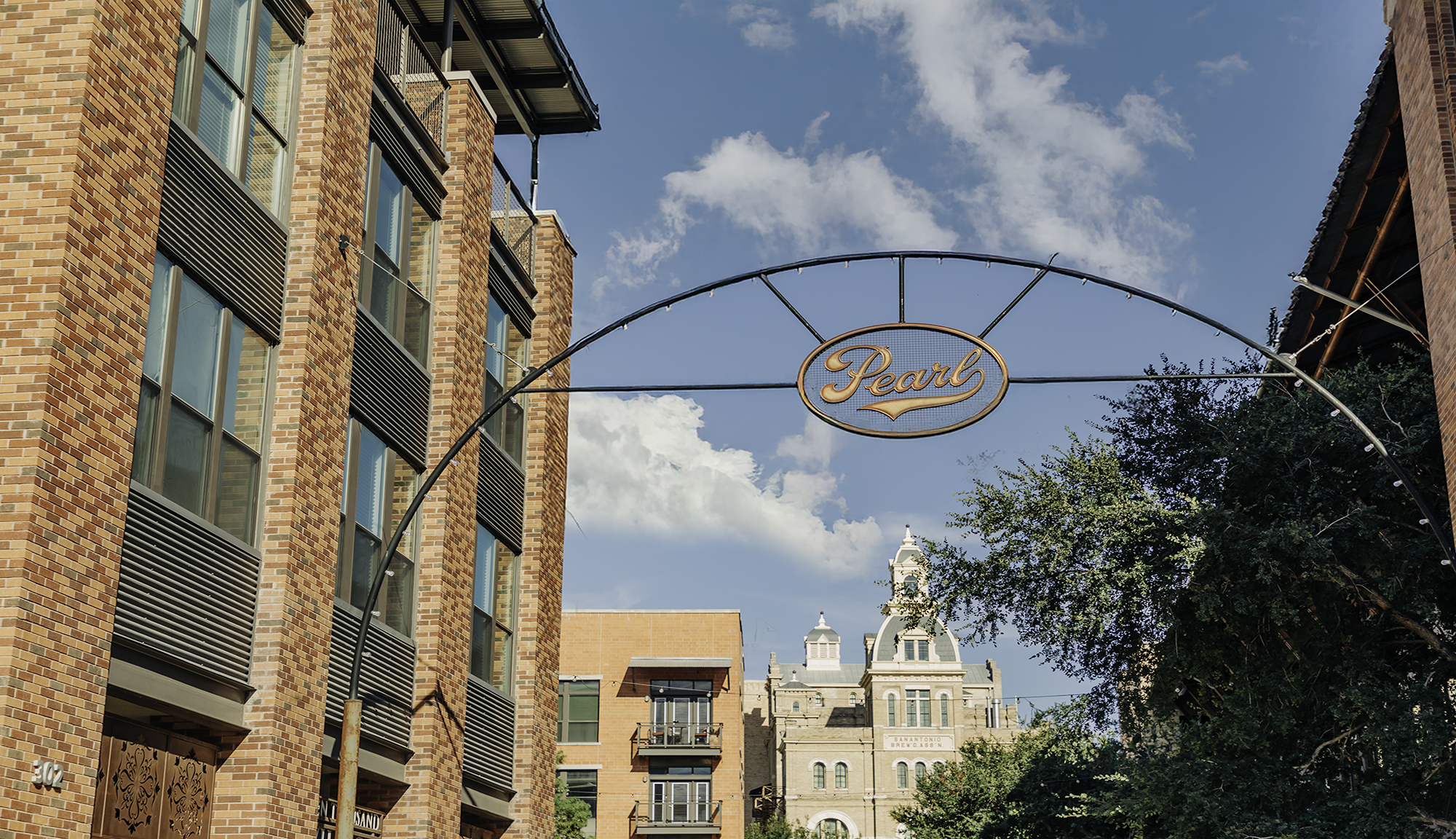
The Pearl is one of my favorite places to spend an evening in San Antonio, with restaurants, shops, events, and easy access to the River Walk. Nearby areas along Broadway and around downtown offer even more dining, entertainment, historic architecture, and some of the city's most distinctive destinations.
Arts & Culture
San Antonio has plenty to explore beyond its most famous attractions. The historic Majestic Theatre hosts concerts, Broadway productions, and other performances, while museums, galleries, cultural events, and historic sites give the city a character that reflects both its Texas roots and its long history.
Parks & Outdoors
You don't have to leave the city to spend time outside. The San Antonio Botanical Garden is a favorite, and the city's parks, trails, greenway system, and River Walk provide plenty of opportunities for walking, biking, and enjoying the outdoors. The Hill Country is also close enough for an easy change of scenery.
Shopping & Entertainment
The Shops at La Cantera is one of San Antonio's best-known shopping destinations, with The Rim and additional dining and entertainment nearby. Throughout the city you'll also find local boutiques, major shopping centers, theaters, sports, concerts, and plenty of options for an evening or weekend out.
Military City USA
San Antonio's military community is an important part of the city. Joint Base San Antonio includes Lackland, Randolph, and Fort Sam Houston, and military families, veterans, and retirees are woven throughout the community. The area's military resources and healthcare options are also among the reasons many veterans choose to remain in San Antonio after retirement.
My local take: Having grown up here, I think one of San Antonio's strengths is how easy it is to create your own version of the city. You can spend an evening downtown, meet friends at The Pearl, catch a show, find a great restaurant close to home, or head toward the Hill Country for a completely different pace.
Location & Access
Getting Around San Antonio & Beyond
San Antonio is spread out, so where you live can make a meaningful difference in how you experience the city. Major highways connect different parts of the metro, but I encourage buyers to think about more than mileage. Your normal commute, airport access, schools, military installation, and the places you visit regularly can all help determine which part of San Antonio makes the most sense.
San Antonio International Airport
The airport's central location makes it relatively convenient from many northern parts of the city. For buyers who travel frequently, airport drive time can be worth considering when comparing areas.
Major Highways
I-10, I-35, I-37, Loop 410, Loop 1604, and Highway 281 are major routes through the area. Which one you need regularly can matter considerably when deciding where to live.
Military Installations
Lackland, Randolph, and Fort Sam Houston are in different parts of the metro. For military buyers, choosing the right side of San Antonio can make a substantial difference in the daily commute.
Hill Country & Nearby Towns
One advantage of San Antonio is how quickly the scenery can change once you head out of the city. Boerne, Bulverde/Spring Branch, Canyon Lake, New Braunfels, and other Hill Country destinations make easy day trips.
Something I encourage buyers to consider: In San Antonio, I wouldn't choose an area based on mileage alone. A relatively short distance can feel very different depending on the route and time of day. When possible, I recommend driving the commute and other routes you'll use regularly at the times you'd actually be using them.
Frequently Asked Questions
Questions Buyers Ask About Living in San Antonio
San Antonio is a large and varied city, so relocating here usually brings up more questions than simply which homes are available. These are some of the things I encourage buyers to consider when deciding which part of San Antonio fits the way they want to live.
What are the best areas of San Antonio to live in?
There isn't one part of San Antonio that's best for everyone. I also don't label neighborhoods as "good" or "bad." Instead, I help buyers compare areas based on objective factors that matter to them, such as commute, home style and age, lot size, amenities, proximity to restaurants and shopping, schools, and access to the places they'll visit regularly.
If crime or public-safety information is important to you, I recommend reviewing current information from law-enforcement agencies and independent crime-data resources. Once I understand what you're looking for, I can help narrow a very large city into areas that better fit those priorities.
What school districts serve San Antonio?
San Antonio is served by multiple independent school districts, including North East ISD, Northside ISD, San Antonio ISD, Alamo Heights ISD, Judson ISD, Schertz-Cibolo-Universal City ISD, and others throughout the metro area. School boundaries don't necessarily follow neighborhood, ZIP code, or city boundaries, so I recommend verifying the assigned schools for each individual property rather than assuming based on the mailing address.
Does San Antonio have charter and private schools?
Yes. In addition to traditional public-school districts, San Antonio has numerous charter and private-school options. Families who want to compare schools can review academic programs, enrollment requirements, transportation, tuition where applicable, and independent school information. If a particular school is important to your move, I also recommend considering the daily drive when choosing where to live.
What should I know about property taxes in San Antonio?
Property-tax rates can vary significantly depending on the taxing entities associated with a property. Two similarly priced homes in different communities can therefore have noticeably different annual tax bills and monthly payments. When comparing homes, I prefer to look at the actual tax information for each property rather than estimating taxes from the purchase price alone.
How bad is traffic in San Antonio?
Traffic varies considerably by location, route, construction, and time of day. I-10, I-35, Loop 410, Loop 1604, and Highway 281 are some of the major routes buyers commonly use. A home that looks close to work on a map may feel very different during the actual commute, so when possible I recommend testing the routes you'll use regularly at the times you'd normally be driving them.
What is the weather like in San Antonio?
San Antonio has relatively mild winters, long warm seasons, and very hot summers. If you're relocating from a cooler climate, the intensity and duration of the summer heat can be one of the bigger adjustments. Air conditioning, shade, insulation, windows, landscaping, and even which direction parts of a home face can affect everyday comfort and energy use.
Why do so many military families and veterans choose San Antonio?
San Antonio has a significant military presence and a long connection to active-duty service members, military families, veterans, and retirees. Joint Base San Antonio includes Lackland, Randolph, and Fort Sam Houston, and the area also offers extensive military, VA, and civilian healthcare resources.
For military buyers, one of the most important practical considerations is location. The installations are in different parts of the metro, so choosing the right side of San Antonio can make a substantial difference in the daily commute.
Where should I live if I'm stationed at Lackland, Randolph, or Fort Sam Houston?
Rather than recommending one neighborhood for everyone, I start with the installation, preferred commute, budget, home style, and what you want nearby. For Lackland, buyers often explore parts of northwest and far-west San Antonio, including the Alamo Ranch area. Randolph is northeast of San Antonio near communities such as Schertz and Cibolo. Fort Sam Houston's more central location creates a different set of options.
The best fit depends on much more than distance to the gate, so I recommend comparing actual drive routes along with the homes and communities themselves.
Is San Antonio walkable?
Most of San Antonio is car-dependent, but walkability varies considerably by area. Some central neighborhoods and areas around downtown, The Pearl, Broadway, and parts of Southtown offer more opportunities to walk to restaurants, shops, entertainment, or trails. If walkability matters to you, I recommend evaluating the specific property and the destinations you want to reach rather than relying on a neighborhood name alone.
Do San Antonio neighborhoods have HOAs?
Some do and some don't. Newer master-planned communities are more likely to have homeowners associations and community amenities, while many established neighborhoods may have different or fewer restrictions. Even when there isn't an active HOA, recorded deed restrictions may still apply, so I recommend reviewing the rules for the individual property rather than assuming based on the neighborhood.
How close is San Antonio to the Texas Hill Country?
The Hill Country begins just outside the northern and northwestern parts of the metro, which makes places such as Boerne, Bulverde, Spring Branch, Canyon Lake, and surrounding areas convenient for day trips from much of San Antonio. Buyers who want regular access to the Hill Country may find that the northern side of San Antonio makes those trips particularly convenient.
What should someone relocating to San Antonio know before buying a home?
The biggest thing I would tell someone relocating here is not to choose a home from a map alone. San Antonio covers a large area, and different parts of the city can offer very different housing, commutes, schools, amenities, property taxes, and everyday lifestyles.
I recommend first identifying where you'll need to go regularly and what matters most about the way you want to live. From there, we can narrow the city into a much more manageable group of areas and compare individual properties within them.
Have a San Antonio question I didn't answer? I was born and raised here and work with buyers and sellers throughout the area. Whether you're trying to compare neighborhoods, commute times, housing styles, schools, military access, or simply figure out which part of this very large city fits your priorities, I'm happy to help you sort through it.
Explore Nearby Communities
Want More of a Hill Country Setting?
Buyers who like San Antonio but want a little more space, scenery, or a smaller-community feel often expand their search north of the city.
Bulverde
Bulverde offers a distinctly Hill Country setting while keeping San Antonio relatively accessible for work, shopping, healthcare, and entertainment.
Explore Bulverde →Spring Branch
Spring Branch can provide more space, larger homesites, river and lake recreation nearby, and access toward both San Antonio and New Braunfels.
Explore Spring Branch →New Braunfels
New Braunfels combines a smaller-city feel with rivers, Gruene, year-round events, newer communities, and convenient access back toward San Antonio.
Explore New Braunfels →Local Guidance
Considering a Move to San Antonio?
San Antonio gives buyers an incredible amount of choice, but that can also make figuring out where to start feel overwhelming. I can help you compare the parts of the city that make sense for your commute, priorities, budget, and the way you actually want to live.
And if you already own a San Antonio property and are considering selling, my knowledge of the different areas, buyers, and housing styles throughout the city helps me position your home within its specific market.